
Marin IJ: Mill Valley Speeds Green Building Code Update
 Mill Valley is racing to update its green building codes before a new state law freezes revisions for six years.
On Oct. 1, AB 306 will bar most local building code amendments until 2031, City Manager Todd Cusimano told the City Council at its meeting on July 21.
The deadline means Mill Valley’s efforts to put more energy efficiency standards into its code must be formally adopted before October.
“We think this is the point of no return where we need to do something,” Cusimano said. “It limits local jurisdictions from the ability to modify any of their local codes until 2031.”
For several years, Mill Valley planners and the city climate committee have been studying ways to gradually increase energy efficiency requirements when building or remodeling homes and commercial structures. Those standards apply to electrical wiring, heating and cooling systems, energy storage and vehicle charging stations.
Cusimano laid out a timeline for updating the building code starting with reshuffling the August council meetings.
The Aug. 4 meeting would be canceled, and a special meeting would be held on Aug. 11 to review and have an initial vote on changes in the code. A week later there would be a second reading and vote at a regular meeting.
The council directed Cusimano and city planners to move forward. “Mill Valley has had a history … of going above and beyond when it comes to climate action,” said Vice Mayor Max Perrey.
“I was just so impressed with our climate action plan and our community members that contributed to such a significant and thoughtful report,” said Councilmember Caroline Joachim. “We have the opportunity to really take advantage of this time and make the most of it before that six-year moratorium hits.”
AB 306 has some exemptions that city staff believe Mill Valley could qualify for, Cusimano said.
“But we want to leave no stone unturned and we don’t want to be sitting here a year from now regretting or assuming something that’s not the case,” he said.
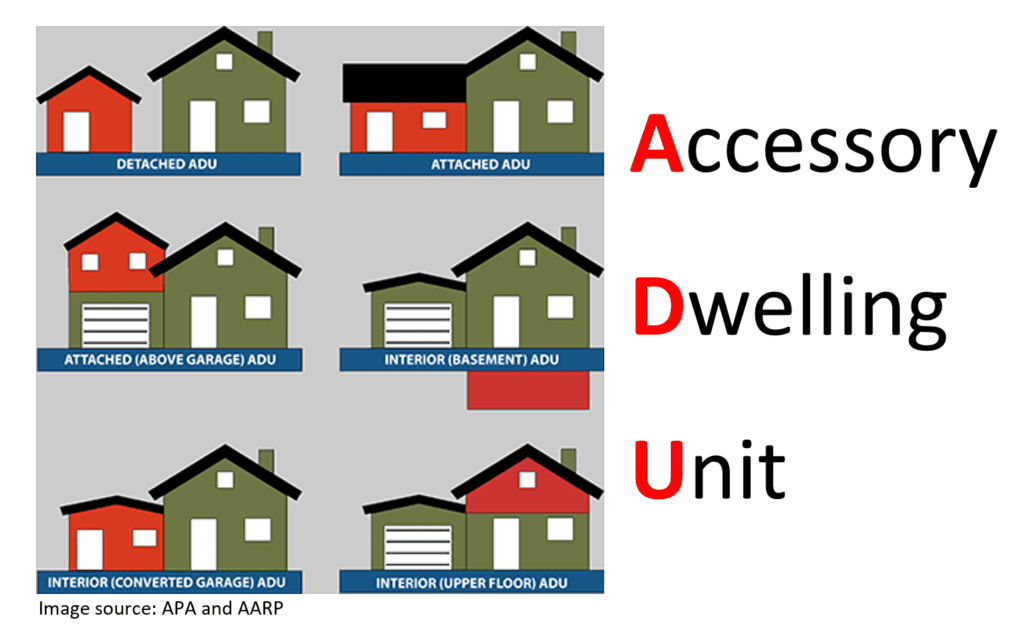
During the public comment period of the council meeting, Ken Brooks, a resident and green building consultant, said most new homes will meet the envisioned efficiency standards. But he suggested that accessory dwelling units not face the regulatory scrutiny of full-size homes.
“If there’s a 300-square-foot legal ADU that conforms to all the health and safety requirements of the building department, it seems to me that they should not have to go through this level of greening the way a 6,000-square-foot house does,” he said. “ADUs, hopefully, will represent the majority of increased housing in this town.”