
MarinIJ: Major Strawberry Development Project on Brink of Approval
The stage is set for Marin County supervisors to end a decade-long fight by granting final approval to a major development proposal in Strawberry.
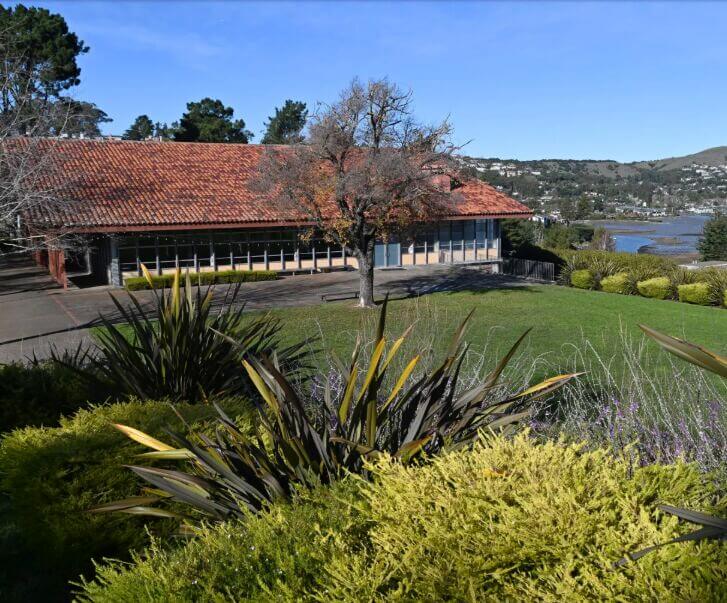
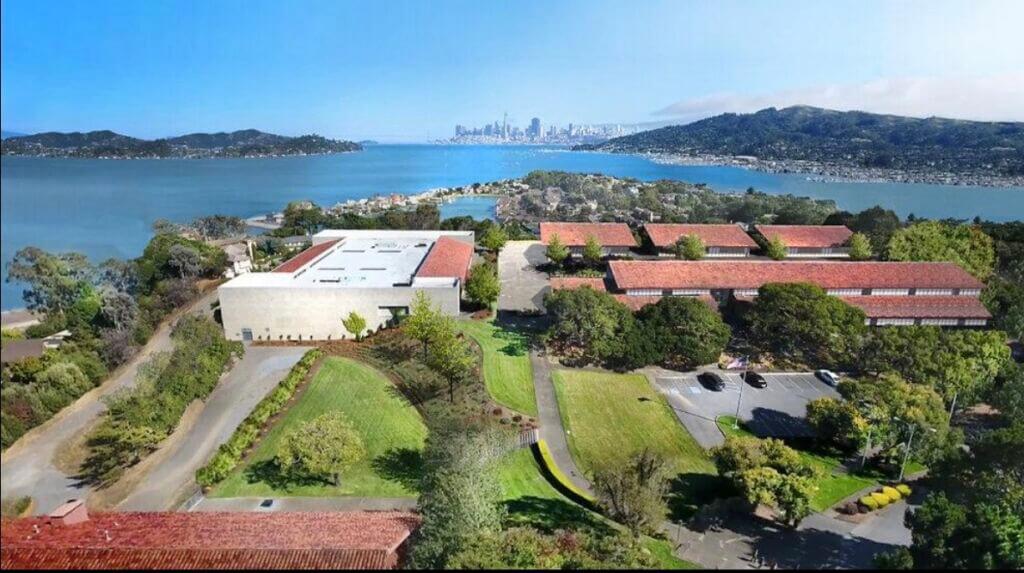
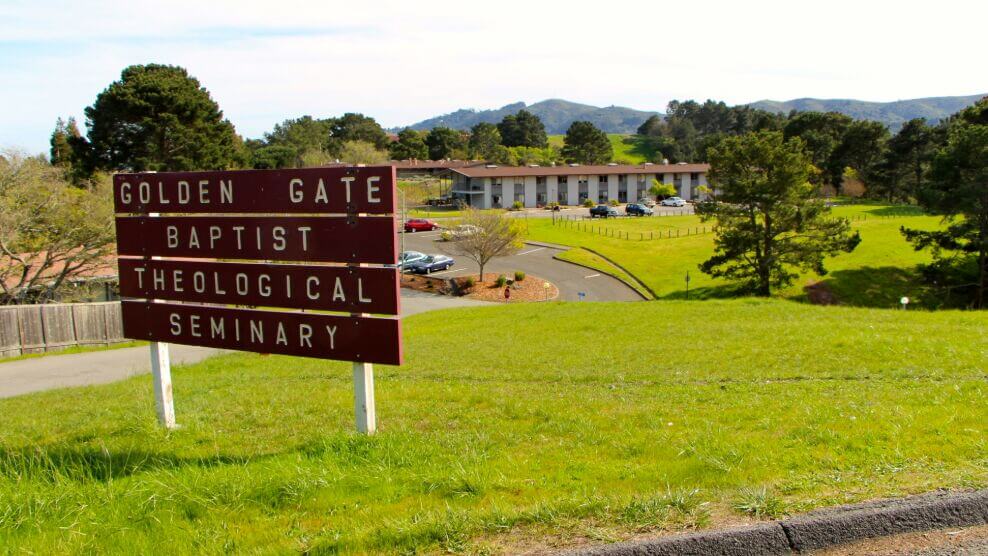
The supervisors are scheduled on Tuesday to take up the North Coast Land Holdings proposal for the 127-acre former Golden Gate Baptist Theological Seminary campus. The proposal calls for 337 residences with 859 bedrooms that would replace 139 of the 152 housing sites. Seventy of the new dwellings would be reserved as below market rate.
The project also calls for a 267,354-square-foot residential care center that would contain 100 independent living apartments, 50 assisted living and memory care apartments and a 20,000-square-foot building for a preschool and fitness center. The 150 dwellings for seniors are counted as a single residence under state law.
North Coast has maintained that a conditional use permit granted to the property’s former owner in 1953 also entitles it to have as many as 1,000 students on the campus. The assertion has generated concern among residents about the effect of so many students commuting into the community each day.
In March, the Seminary Neighborhood Association, which has led the opposition to the project, signed an agreement with the developer that will effectively limit the number of students allowed to commute to the campus.
Under the agreement, North Coast pledged that enrollees in excess of 325 will be required to reside on the site in dwellings proposed as part of the project.
North Coast also agreed to limit project buildings to no more than three stories, with the exception of three buildings within the Hodges/Shuck planning area, which cannot exceed four stories, and buildings in a seniors housing area.
In return, the Seminary Neighborhood Association board promised to take no legal action to challenge the project.
“The agreement gives us certainty of driving the daily car trips down to 3,000,” said Michael Gallagher, president of the association. “I think it’s a victory.”
Plenty of dissenters remain, however.
“We are witnessing the wholesale demise of Marin’s community plans,” longtime Strawberry resident Bruce Corcoran wrote in an email. “If the supervisors are willing to approve a project that is so inconsistent with the Strawberry Community Plan and supersize the project with questionable concessions, then no community plan will survive.”
Community plans are legally recognized land-use guidelines drafted by residents and local officials to govern development in specific neighborhoods while preserving their unique character. In 2024, Corcoran prevailed in a lawsuit against the county that forced it to remove wording in the countywide plan that gave that plan precedence over 22 local community plans.
North Coast asked the county Planning Commission to amend policies in the Strawberry community plan addressing student housing and development in the Chapel Hill area, but the commission denied the request.
Michelle Levenson, the county planner overseeing the project, said North Coast is proposing to use density bonus law waivers and concessions to obtain relief from two Strawberry community plan policies.
Steve Disenhof, a 37-year resident of Strawberry, wrote in an email that the leaders of the Seminary Neighborhood Association signed the agreement with North Coast “because they believed that the planning department has had its thumb on the scale and the project was going to be approved, regardless of its many flaws.”
“In the past few days as I’ve let people know about the Board of Supervisors meeting on Tuesday I heard nothing but criticism of the process,” Disenhof wrote. “Everyone I’ve heard from is outraged at best and disillusioned with the county at worst.”
In a June 3 letter to supervisors, Chuck Ballinger, a former member of the Strawberry Design Review Board, wrote, “You should know that approving North Coast’s environmental impact report submittal will be a mistake of historic proportion.”
Ballinger wrote that North Coast should not be entitled to the 50% density bonus it is claiming because it will be tearing down 139 dwellings, plus 66 dormitory rooms, and replacing them with only 70 affordably priced residences. Under state density bonus law, developers are required to replace any housing they demolish with equivalent housing.
Ballinger said 59 of 66 existing dormitory apartments and 44 additional low-priced dwellings were excluded from the calculation for determining how many replacement residences would be required. Ballinger wrote that 44 of the dwellings were eliminated “because nobody bothered to certify the residents’ income level.”
County staff said only seven of the dormitory apartments were included because they share seven kitchens, and the 44 low-priced residences were left out due to a lack of information about the renters’ incomes.
Disenhof wrote that “320 current residents on the Seminary property will be displaced. When new units are built in four years, the ‘low income’ units are expected to be priced at least 150% of what residents are currently paying.”
All 70 of the replacement residences will be offered at 80% of the area median income for Marin County. For a household of four, for example, that would be $168,100.
While the EIR, which was released in July 2024, stated that there are 320 residents living on the property, North Coast spokesman Charles Goodyear wrote in an email that there are “57 people left, not 320. Tenants signed a provisional lease when they first took occupancy that notified them of the project.”
Goodyear added, “The Seminary at Strawberry will offer much-needed workforce and affordable housing for Southern Marin. Along with preserving open space, it will include youth athletic fields, public parks and a senior care facility.”
North Coast plans to avoid hauling 220,000 cubic yards of earth offsite by placing it on the 2-acre seminary playing field. The plan will raise the height of the field by 25 to 30 feet. Critics of the plan say the weight of the fill will cause the park to sink and become unstable over time because it is located on bay mud.
Sarah Jones, director of the Marin County Community Development Agency, said further geotechnical review of the project will be required before the county issues a work permit.
According to the EIR, there were 3,000 vacant apartments in unincorporated Marin when the report was written in 2023.
Disenhof wrote, “If this were really true, why would Marin need new housing?”
Among the other documents that supervisors will be asked to approve on Tuesday is a “vesting tentative” map to allow North Coast to make 185 of its new residences condominiums. The substantial number of condos has prompted questions about where students and school staff will live if North Coast engages with a school that has more than 325 enrollees.
Levenson said, “The applicant stated at the Planning Commission meeting that the entire site is intended for rental housing. So, regardless if it’s condominiums or not, it will be rental housing.”
Jones noted that the inclusion of the condominiums will increase the number of taxable parcels on the property from nine to 185.
The housing element the county submitted to the state detailing how it will meet the state’s mandate for creating new housing assumes that 336 dwellings will be built on the seminary property.
Gallagher said the deluge of new state laws in recent years stripping local governments of the power to shape development in their communities made opposing the North Coast proposal very difficult.
“When these laws started to bite,” Gallagher said, “I thought, ‘Oh, this is not good for us. Sacramento is putting a big thumb on the scale.’”
At a Planning Commission meeting in March, Andrew Giacomini, an attorney representing North Coast, said that if supervisors deny the project, the developer could qualify for a much larger project with up to 606 residences, and the project would be exempt from the California Environmental Quality Act.
“That’s what state laws allow us to have now,” Giacomini said.
Goodyear wrote, “The project remains low density, particularly as compared to other projects currently approved or proposed around the county. We have refrained from building to the maximum density of housing allowed on the site to preserve its park-like character.”