
Dick Spotswood: Several Statewide Ballot Measures Deserve a Close Look
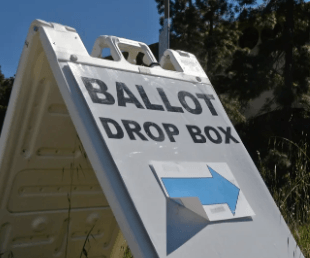
The long ballot facing California voters in November includes 14 state propositions. Three stand out. All require a simple majority for passage.
Proposition 1 asks if those voters eager for more affordable housing primarily for our workforce are willing to commit taxpayer dollars to make it happen.
Astronomical land costs, plus increasing costs of material and labor, mean it’s difficult to build these residences and make a profit, developers say. Calls for “affordable housing” require it to be subsidized. That requires someone to do the subsidizing.
Proposition 1’s passage will open the spigot of taxpayer dollars to build affordable, workforce homes. Proponents are asking voters to put their money where their mouth is.
The official ballot summary indicates Prop. 1 “authorizes $11.25 billion in state general obligation bonds for housing affordability programs, including ($1.25 billion) for California veterans.” It’ll subsidize 42,500 multifamily and farm worker rental units and help 40,000 households, including 2,100 veterans, with homeownership by providing homebuyer assistance.
There’s no free lunch. California’s general fund, from which these dollars derive, is already overcommitted. Passage will cost $500 to $600 million annually for 25 years to repay bonds and interest. Voters must decide between a worthy purpose or placing the Golden State further in debt.
• Proposition 39 states that it “prohibits citizens from voting unless they present government-issued identification.” Voter ID is required in European democracies, plus Canada and Australia. It’s already a crime for noncitizens to vote.
It’s placed on the ballot by Republicans aligned with President Donald Trump. They presumed an ID requirement will suppress voters they believe won’t vote for GOP candidates. Prop. 39 could easily backfire.
My take is that much of Trump’s party believes America is unchanged from the 1960s and ’70s. Fifty years ago, working class people were Democrats while middle- to upper-middle-class suburbanites were “country club” Republicans.
Then, Marin was GOP friendly. Today, only 12.5% of Marin voters are registered Republicans. Roles have shifted. Working class voters are often aligned with Trump’s “make America great again” supporters. Prosperous, college-educated “country club” Democrats lean to the politcial “left.”
There’s a mistaken presumption on both the political left and right that some people of color don’t have drivers licenses. My experience is admittedly anecdotal. I practiced law for 45 years and handled over a thousand personal injury cases, always representing the injured party. I was honored to say that about 30% of my clientele was in the Bay Area’s Black community.
I never had a Black client tell me they didn’t have a drivers license. If my experience is typical and if Prop. 39 passes, I expect the folks who’ve gone to the polls in the past will continue casting them like most other voters regardless of race or ethnicity.
When people of color provide their government-issued ID, Republicans will be dumbstruck and liberals pleasantly surprised. Those likely negatively affected will be low-information people of all races and ethnicity who in the past rarely voted.
• Proposition 43’s official ballot summary is succinct.
“Currently, local governments must obtain two-thirds voter approval to impose, extend, or increase special taxes (taxes dedicated to a specific purpose) that they place on the ballot. However, this two-thirds vote requirement does not currently apply to special taxes put on the ballot by voter signature gathering. This measure would limit voters’ ability to pass voter-proposed local special taxes by raising the percentage of votes needed to approve such ballot measures from a majority (50%) to two-thirds.”
Prop. 43’s decision point is straight forward.
If voters believe that real estate parcel and sales taxes are so burdensome on homeowners, consumers and small businesses that they should be enacted only if there’s a community consensus represented by a supermajority, then vote yes. Others who believe in the traditional playground rule that the majority should govern, then vote no.
Columnist Dick Spotswood of Mill Valley writes on local issues Sundays and Wednesdays. Email him at spotswood@comcast.net.